
ERT2 is one of the primary television channels operated by the Hellenic Broadcasting Corporation (ERT). It offers a wide range of programming, including cultural content, movies, series, and children’s shows.
The channel is available to viewers in different areas through satellite broadcasting.
Understanding Satellite Frequencies
Satellite channels like ERT2 rely on specific technical parameters for reception. These include frequency (measured in MHz), polarization (horizontal or vertical), symbol rate, and forward error correction (FEC). Each satellite uses different setup, so accurate input is essential for proper reception.
ERT2 on Hot Bird Satellite
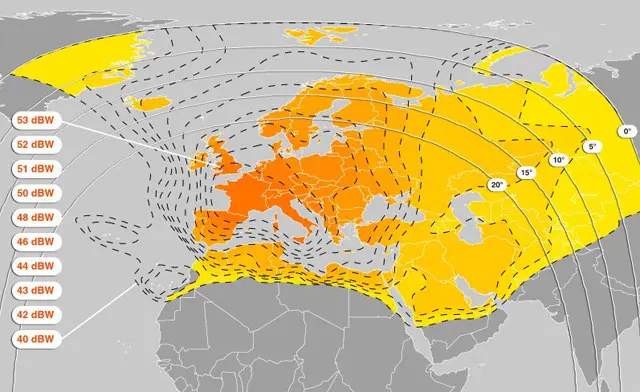
One of the primary satellites transmitting ERT2 is Hot Bird at 13° East. This satellite covers a large geographic area, including EU zone, North Africa, and parts of the Middle East.
Typical transmission parameters:
- Frequency: 12169 MHz
- Polarization: Horizontal
- Symbol Rate: 27500
Hot Bird is widely used due to its strong signal and broad coverage.
ERT2 on Eutelsat Satellites
ERT2 might also be available on other satellites operated by Eutelsat, such as Eutelsat 3B at 3° East. These satellites provide secondary availability relying on the viewer’s location.
Frequencies on these satellites might vary, so it is important to check updated satellite listings or perform an automatic scan on the tuner.
Free-to-Air and Encrypted Signals
ERT2 is often broadcast as a free-to-broadcast (FTA) channel, meaning it can be accessed without a subscription. However, in some cases, particular feeds might be encrypted and require authorized availability and compatible decoding equipment.
Why Frequencies Change
Satellite frequencies are not always permanent. Changes might occur due to technical upgrades, signal optimization, or switching between satellites. For this reason, viewers should consistently update their tuner setup to maintain availability.
Tips for Receiving ERT2
To ensure reliable reception of ERT2, viewers should:
- Align the satellite dish correctly
- Enter accurate frequency parameters
- Perform regular channel scans
- Follow trusted satellite update sources
Tips to Maintain Your Receiver and Ensure Longer Lifespan
- Keep the receiver in a well-ventilated area to avoid overheating.
- Regularly update firmware to maintain optimal performance.
- Clean vents and ports to prevent dust accumulation.
- Avoid power surges by using surge protectors.





Good update, but I think my receiver is slow… scan takes too long 😅